Certified S2C Practitioner · Based in Kent

Everyone has a
voice

Supporting non-speaking, minimally speaking and unreliably speaking individuals to communicate through Spelling to Communicate (S2C).

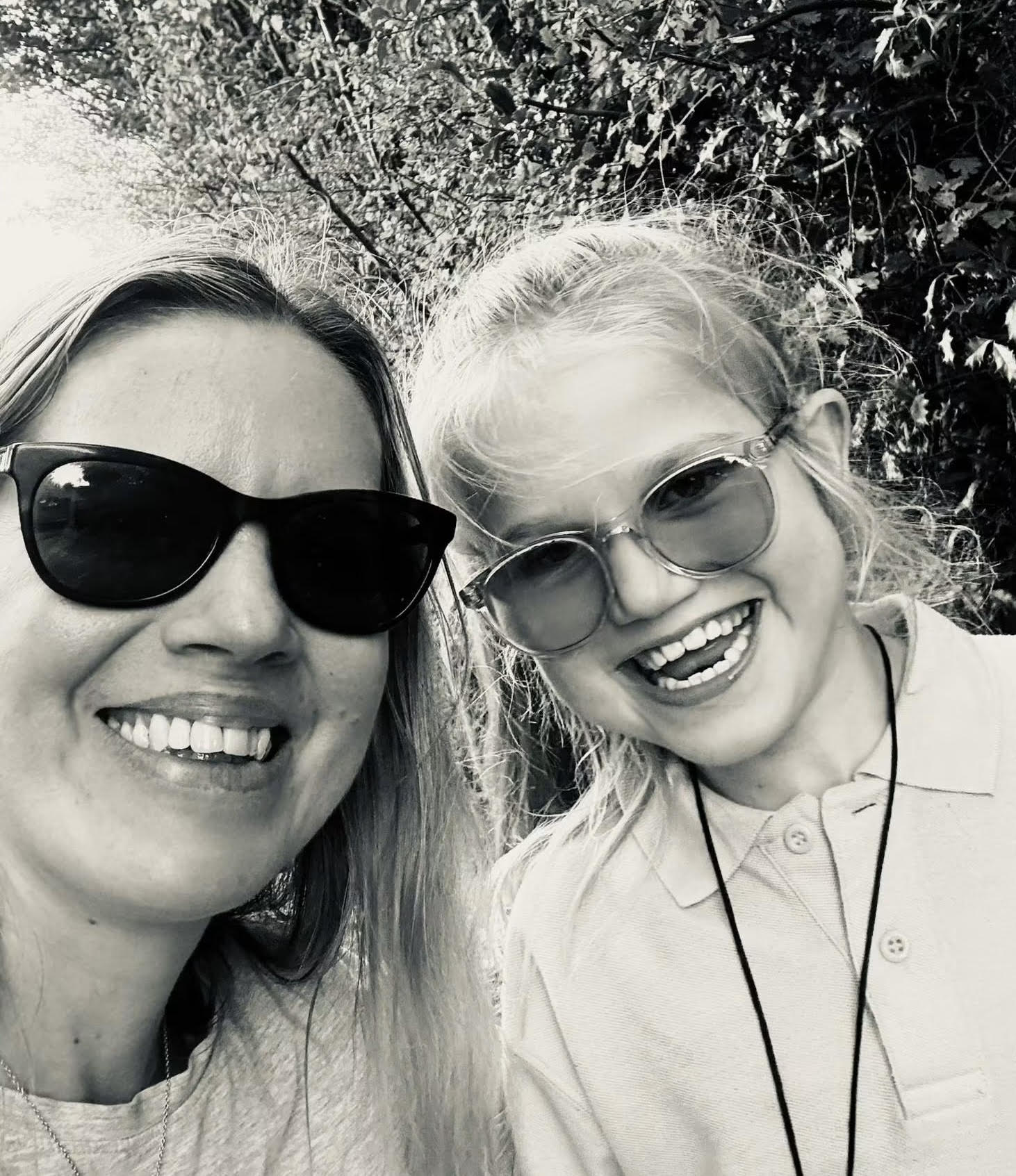
Lydia smiling outdoors with her daughter Bethany.
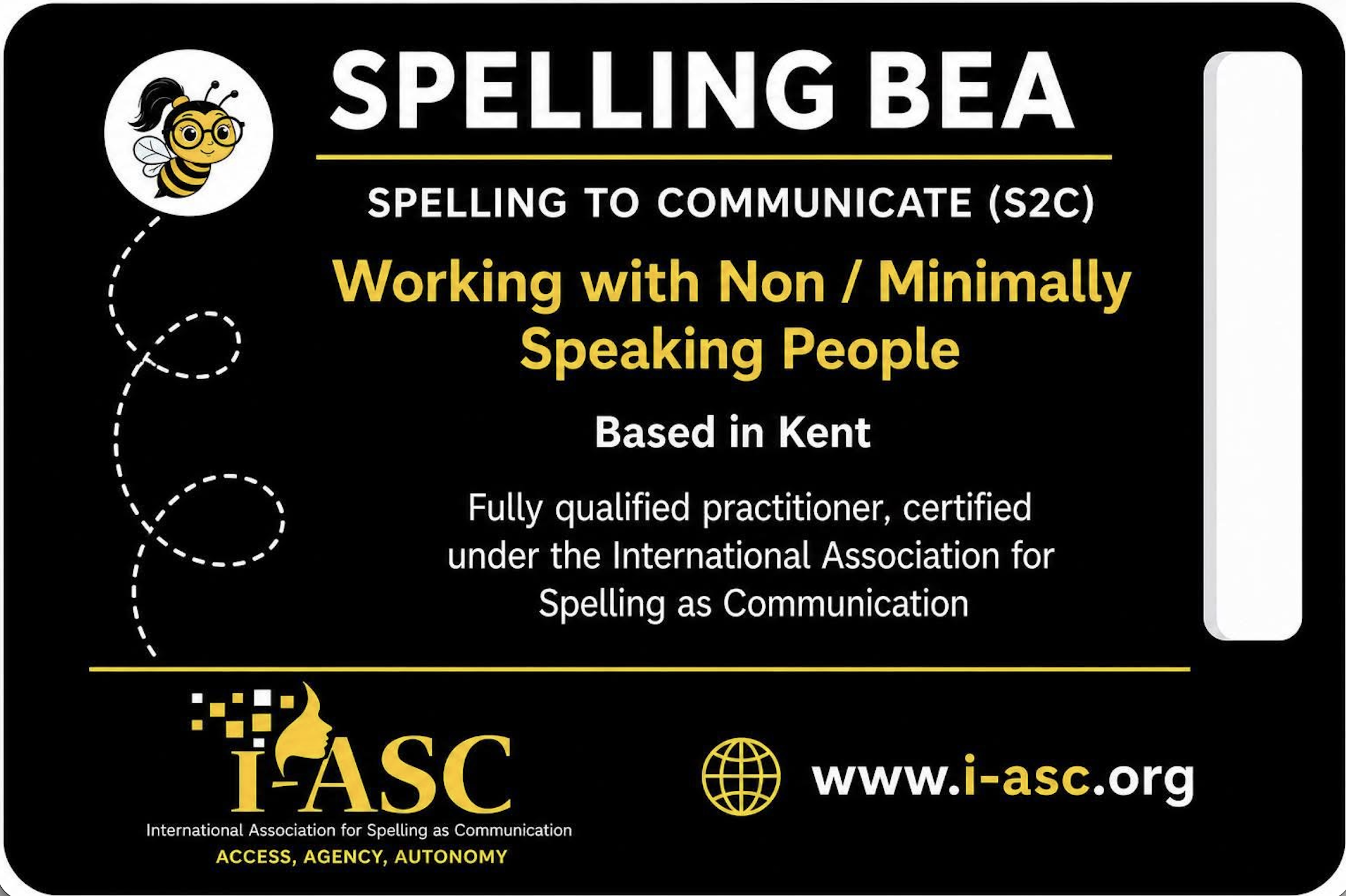
I-ASC Certified S2C Practitioner badge
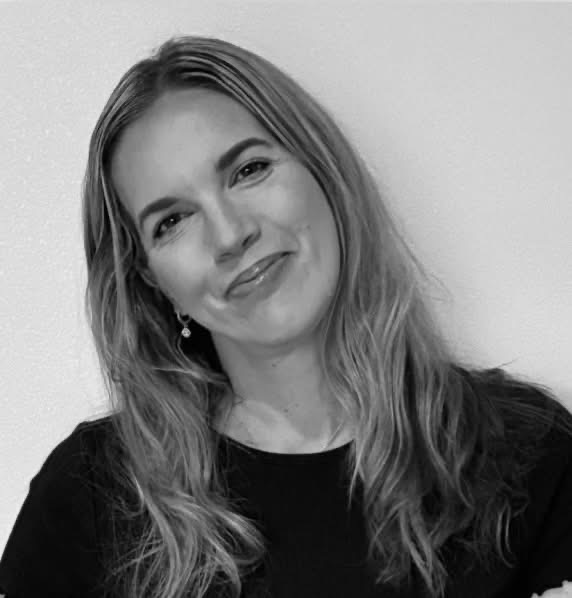
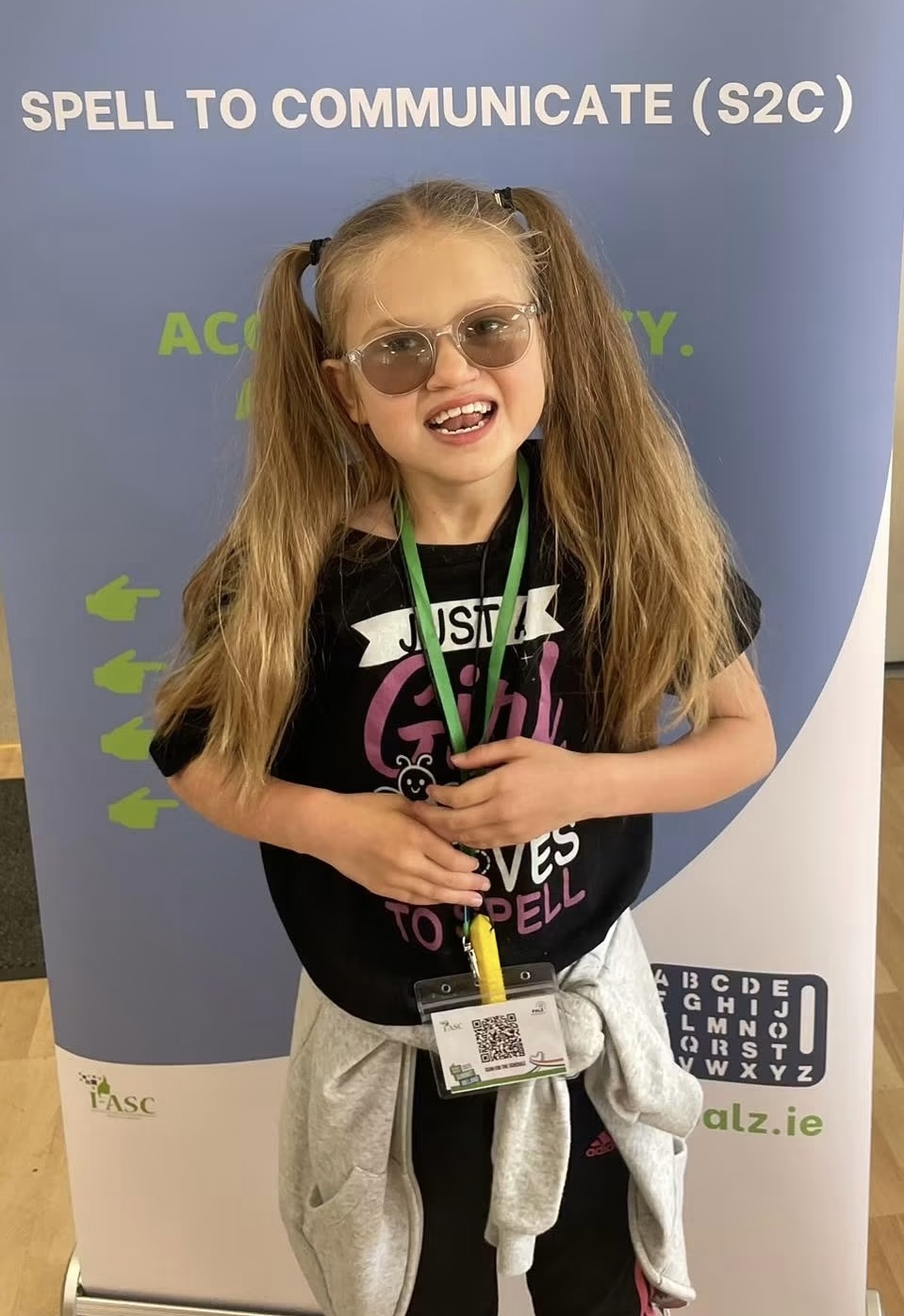
Portrait of Lydia, S2C practitioner. Bethany smiling in front of a Spell to Communicate banner.

About Lydia

Hello, I'm Lydia

I'm a certified Spelling to Communicate (S2C) practitioner based in Kent. I support non-speaking, minimally speaking and unreliably speaking individuals to access communication through S2C. Many of the people I work with are autistic with significant support needs, alongside individuals with Down syndrome and other conditions that affect motor planning and access to speech.

At Spelling Bea, I believe everyone has a voice and deserves the opportunity to express their thoughts, feelings, ideas, opinions and personality. S2C provides access to purposeful motor skills, enabling individuals to point to letters on a letterboard to spell and communicate. My approach is rooted in presuming competence and respecting each person's unique nervous system, sensory profile and motor differences.

My passion for this work comes from my own journey as a mum to my non-speaking autistic daughter, Bethany — the name Spelling Bea was inspired by her. Watching Bethany flourish through S2C has been one of the most profound experiences of my life, and shown me how life-changing it is when a person is finally given a reliable way to share what they think, feel and know.

Every individual deserves the opportunity to be heard, understood and respected.

The method

What is Spelling to Communicate?

Spelling to Communicate (S2C) is a method designed to support non-speaking, minimally speaking and unreliably speaking individuals to communicate by pointing to letters on a letterboard.

S2C recognises that these individuals experience challenges with motor planning and motor control — making speech difficult or unreliable despite having thoughts, understanding and intelligence that they cannot reflect through spoken language. Through carefully structured lessons and purposeful motor activities, individuals learn the skills needed to reliably point to letters, spell words and express their thoughts.

At Spelling Bea, we:

  • Presume competence
  • Support individual sensory needs
  • Respect each person's unique nervous system
  • Build purposeful motor skills
  • Foster co-regulation and connection
  • Provide families with the tools to support communication at home

Communication is a human right. Every individual deserves access to a reliable method of communication.

Learn more at i-asc.org →

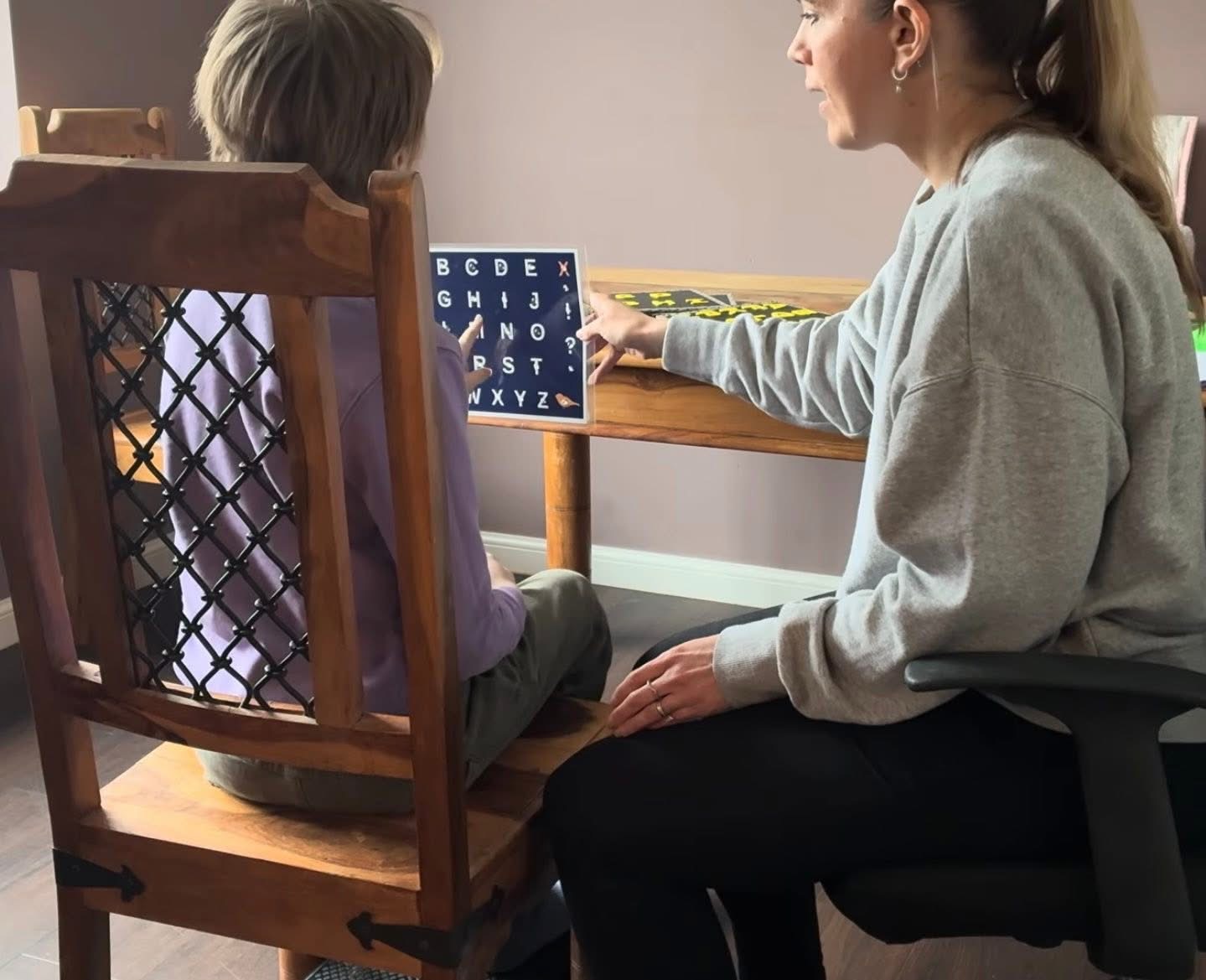
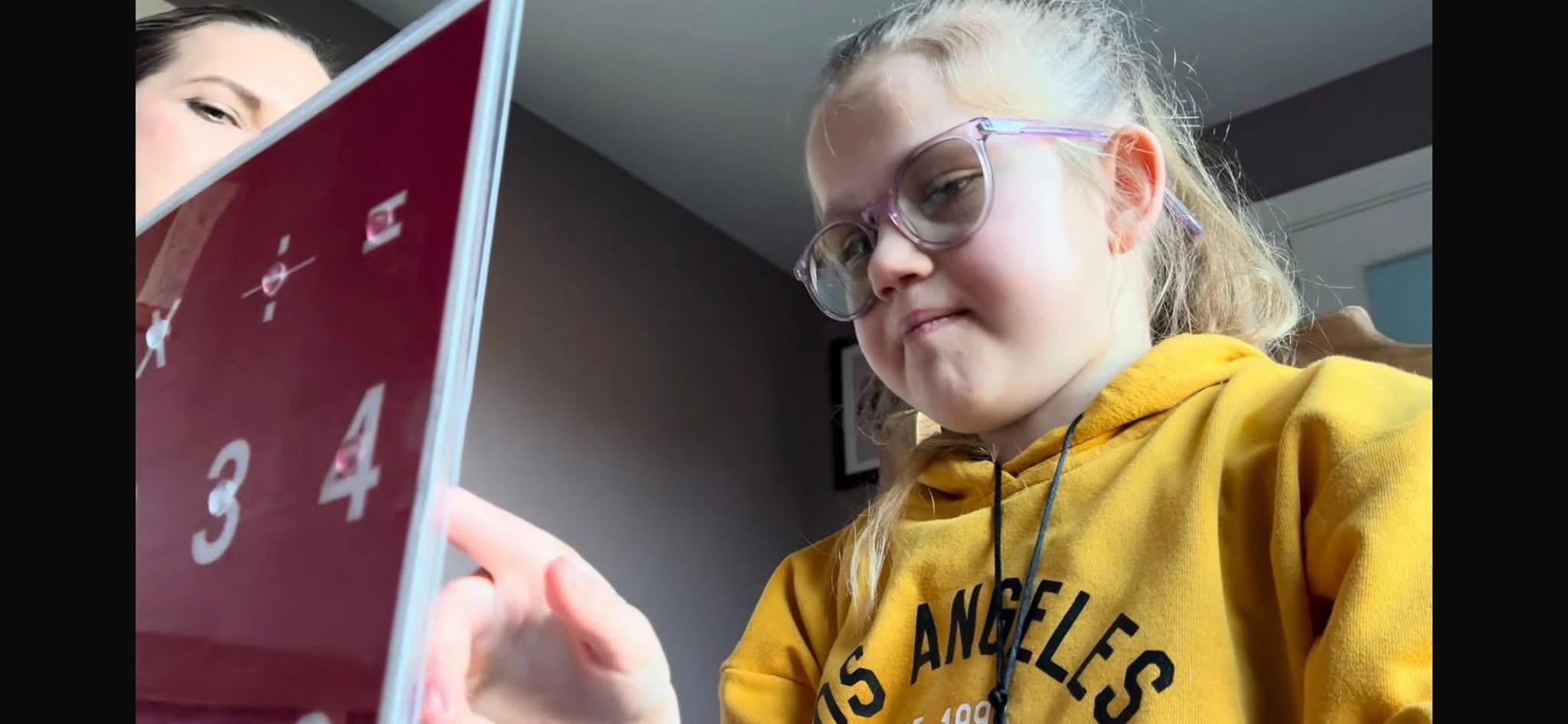
Lydia sitting at a table with a speller who is pointing to a letterboard during an S2C session. A young girl pointing to a number stencil board while practising purposeful motor skills.

In their own words

Voices of Spellers

The following words come from non-speaking individuals who communicate through spelling.

I have a dream. Communication for all. My life will be dedicated to relieving them from suffering in silence.
Elizabeth Bonker
For those of you who don't know what praxis is - it is the way you get your body to do everything you want it to do, literally even the smallest purposeful movement. Now imagine you know what you want your body to do but you can't get it to do it, that is Apraxia. There is a disconnect between the brain and the body. It's like having your hands tied behind your back and duct tape over your mouth, you still have conscious thought but cannot communicate. That is our lived experience, our brain-body disconnect.
Ian Nordling
Imagine you're paralysed, you tell your body to move and it refuses, now imagine you are moving but your body does not obey your brain, that creates impulses, patterns and erratic movements, your brain is ok but it's the disconnect which causes it - that's Autism, kind of a moving paralysis. It's not a lack of understanding or thought. In simple terms, non-speaking is not the same as non-thinking. The hardest part of autism is the communication challenge. I feel depressed often by my inability to speak. I talk in my mind, but my mind doesn't talk to my mouth.
Ido Kedar
I felt very strongly about writing you today, to give a little extra insight on the disconnected links that were supposed to make my brain and body work together in harmony. But they don't and that's okay. You see life for me and others like me is a daily game, except not fun, of tug and war. My brain, which is much like yours, knows what it wants and how to make that clear. My body, which is much like a drunken almost 6-foot toddler, resists.
Gordy Baylinson

Parent & Carer Commitment

Communication is a team journey

Meaningful progress happens when the individual and their support network work together. The greatest progress is seen when parents, carers and support teams actively learn alongside the speller and build the skills to support communication in everyday life.

What is a Co-Regulation Partner (CRP)?

A CRP is a trusted person who learns how to support a speller's communication, regulation and motor development outside of formal sessions. A CRP may be:

  • A parent
  • A family member
  • A carer
  • A teaching assistant
  • A support worker
  • Another trusted person in daily life

Why is involvement important?

Every speller has a unique nervous system, sensory profile and motor challenges. Learning to communicate through spelling requires:

  • Practice & consistency
  • Patience & trust
  • Co-regulation
  • Understanding of motor differences

The more a speller can practise throughout daily life, the greater their confidence and independence.

My commitment to you

As your S2C practitioner, I will:

  • Provide structured, supportive sessions
  • Help you understand the principles of S2C
  • Support you in developing co-regulation skills
  • Help you understand sensory & motor needs
  • Celebrate every step of progress
  • Offer guidance throughout your journey

Qualified & certified

A fully qualified practitioner

Spelling Bea is a fully qualified S2C practice, certified under the International Association for Spelling as Communication (I-ASC), working with non-speaking and minimally speaking people across Kent.

  • Certified I-ASC S2C Practitioner
  • Working with non / minimally speaking people
  • Rooted in Access, Agency & Autonomy
Spelling Bea credentials card: a fully qualified practitioner certified under the International Association for Spelling as Communication, i-asc.org.

Ready to begin?

Get in touch — book a free call

As a practitioner and as the parent of a non-speaking autistic daughter, I understand both the challenges and the incredible possibilities that emerge when communication becomes accessible. Together, we can create opportunities for communication, connection and understanding — because everyone has a voice.

Book your free call